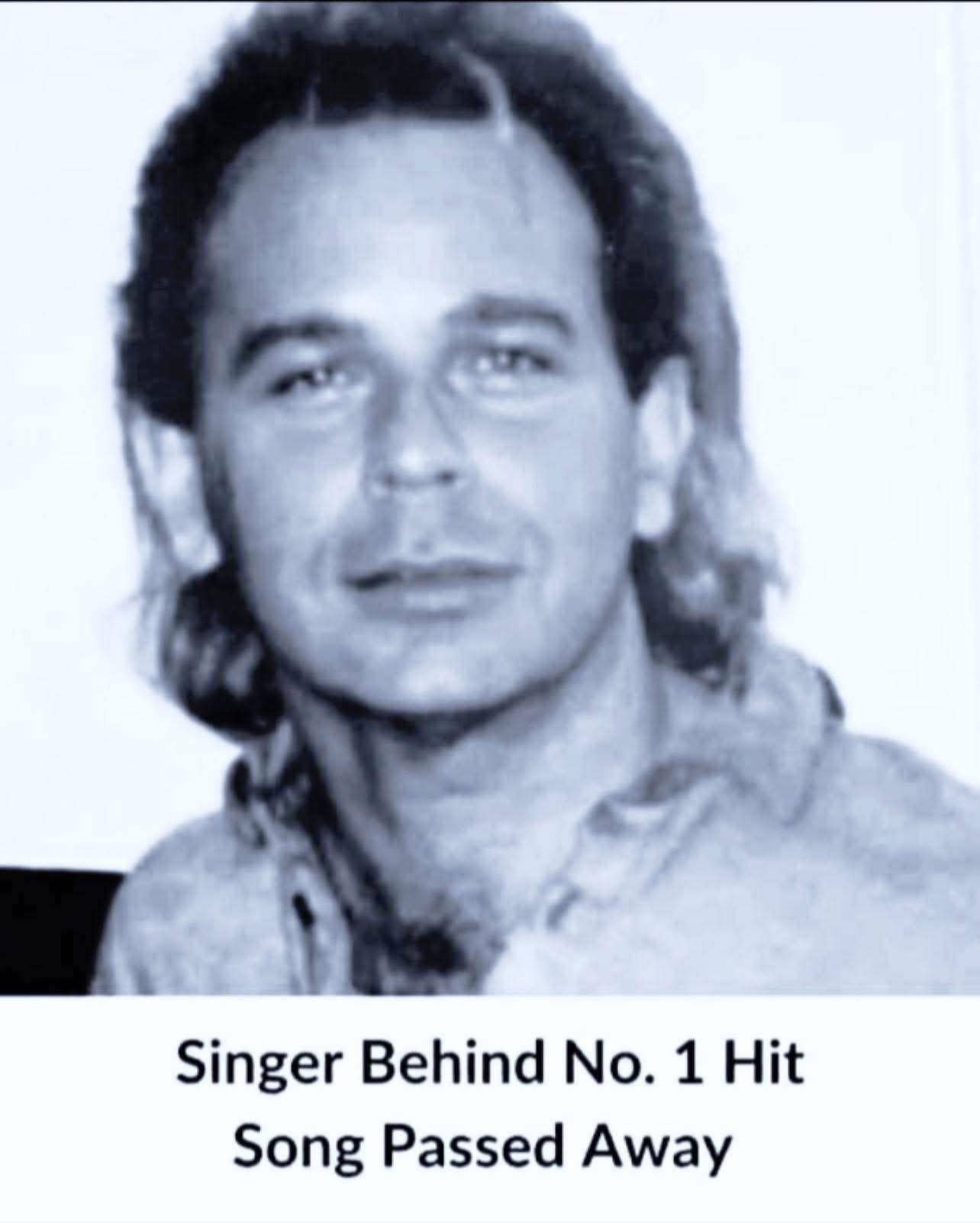
The devastating news did not merely arrive through traditional media channels; it detonated across the global entertainment landscape like an emotional explosive. A legendary voice that once effortlessly split the sky and defined the youthful spirit of an entire generation now lies completely still, and the resulting silence across the airwaves feels profoundly heavy, as if the entire world collectively forgot to breathe. Millions of heartbroken fans instinctively reached for their car radios out of pure habit, desperately hoping the initial reports were nothing more than a cruel internet hoax, only to be met with somber static and flashing breaking news headlines across their screens. Representatives officially attributed the passing to a brief illness, utilizing a clinical, detached phrase that felt entirely inadequate to summarize the immense grief currently crushing the music community. The formal statement released by his grieving family members visibly shook with an overwhelming mixture of deep love and absolute disbelief, describing a frantic period of days that rapidly blurred into sterile hospital corridors, flickering medical lights, and whispered, tearful goodbyes as a future was entirely rewritten in a single afternoon.
Somewhere inside his estate, a massive cardboard box overflowing with decades of adoring fan letters sits quietly beside a completely empty armchair. Somewhere else, a vintage vinyl record continues to spin on a turntable with no one left to collect the lucrative performance royalties. The spectacular life story of the humble local boy originally named Lugee who ultimately transformed into the global phenomenon known as Lou—a visionary artist who masterfully figured out how to turn personal heartbreak into massive, chart-topping pop anthems—has suddenly reached an abrupt conclusion that absolutely no one was prepared to face. He initially entered the world as Lugee Alfredo Giovanni Sacco, a charismatic kid from a modest background with a multi-syllabic name that corporate music executives insisted would never fit cleanly on promotional concert posters. However, what he lacked in a Hollywood-ready moniker, he more than made up for with an absolutely spectacular vocal range that could seamlessly stretch across state lines and shatter audio equipment.
Adopting the sleek, memorable stage name of Lou Christie, he aggressively broke into the competitive music business, proving almost immediately that he wasn’t interested in merely chasing fleeting radio hits or adhering to predictable pop formulas. Instead, he systematically built complex, emotional weather systems out of pure melody, especially when collaborating alongside his brilliant, long-term songwriting partner Twyla Herbert. Together, the dynamic duo defied the rigid boundaries of the nineteen-sixties recording studio, blending operatic drama with rock-and-roll energy. Their crown jewel, the iconic masterpiece Lightning Strikes, rapidly evolved into far more than just another catchy song on the billboard charts; it transformed into an absolute rite of passage for millions of teenagers worldwide. His impossible, piercing falsetto sliced directly through the deep fog of teenage confusion and hormonal anxiety with a dangerous, exhilarating, and completely unfiltered honesty that had never been captured on vinyl before.
Away from the blinding glare of the stage spotlights and the relentless demands of the touring circuit, Christie possessed a remarkably softer, infinitely more gentle demeanor than his intense, high-energy records ever suggested. He spent countless personal hours meticulously reading and personally answering letters from total strangers—isolated individuals from all walks of life who openly confessed that they felt significantly less alone in a cold world simply because his music existed. This private, unassuming generosity formed a powerful counterweight to his flamboyant public persona, cementing a deep bond of mutual respect between the icon and his fanbase. His final chapter ultimately unfolded far away from the chaotic media apparatus, wrapped in a quiet dignity, but the cultural legacy he leaves behind is exceptionally loud, permanent, and strangely tender. Every single time that impossible, gravity-defying high note cuts through a crowded room or a late-night radio broadcast, it carries his spirit dynamically forward, offering definitive proof that some departures are merely physical. The man himself has officially gone into the great unknown, but the glorious echo remains, endlessly replaying in the depths of the millions of human hearts he once completely rewired with his genius.
As news of his passing continued to spread, tributes began pouring in from the highest echelons of the music industry, with contemporary artists and legendary peers alike expressing their profound sorrow. Major radio networks quickly adjusted their programming schedules, dedicating entire broadcasting blocks to playing his catalog chronologically, allowing listeners to revisit the incredible evolution of his vocal artistry. Music historians dominated the evening news panels, deeply analyzing how his unique vocal arrangements and fearless experimentation with falsetto techniques had effectively paved the legal and creative pathway for subsequent generations of vocalists who sought to push the boundaries of pop music. Social media platforms were instantly flooded with archival footage of his electrifying live television performances, with younger audiences expressing absolute amazement at the sheer control and raw power he exhibited on stage without the aid of modern digital pitch correction tools.
Behind the scenes of his massive success, his creative synergy with Twyla Herbert was universally recognized as one of the most unique and fiercely independent partnerships in show business history. Herbert, who was significantly older than Christie and possessed a deep background in classical music theory, acted as a maternal, protective force who actively shielded the young prodigy from the predatory contracts common during the golden age of American pop. Together, they aggressively fought major record labels to retain creative control over their masters and publishing rights, a radical and highly dangerous move at the time that ultimately ensured Christie’s financial independence later in life. Their writing sessions were described by close associates as intensely spiritual, collaborative marathons where Herbert would pound out complex chord progressions on an upright piano while Christie experimented with vocal improvisations that defied standard musical notation.
In his later years, Christie deliberately chose to step back from the exhausting cycle of stadium tours, preferring to perform in intimate, curated venues where he could interact directly with the audiences that had sustained his career for over half a century. He frequently expressed a profound gratitude for his longevity, marveling at the fact that songs recorded in his youth still carried a vibrant relevance for audiences navigating the complexities of the twenty-first century. He remained an unapologetic purist regarding vocal performance, consistently refusing to lower the keys of his classic arrangements even as he aged, delivering those signature, sky-scraping high notes with a fierce, defiant precision that consistently left crowds in absolute awe. This unyielding commitment to his craft ensured that his artistic reputation remained entirely pristine until the very end.
The physical void left by his sudden departure is undeniably massive, creating an agonizing ache throughout the global community of music preservationists and casual listeners alike. Yet, as the initial shock slowly transitions into a celebratory remembrance, the true magnitude of his impact becomes undeniably clear. Lou Christie did not simply occupy a space on the musical charts; he fundamentally altered the emotional frequency of the era, injecting a sense of wild, unpredictable theatricality into the mainstream consciousness. While the family prepares for a private, deeply intimate memorial service to honor the man behind the myth, the world will continue to play his anthems at maximum volume. The lightning may have finally faded from the immediate horizon, but the magnificent, roaring thunder of his legendary voice will continue to echo across the canyons of time forever.